Our Approach to ABA Therapy
At Traina Behavioral, one size does not fit all. We tailor ABA therapy in Bucks County to how your child learns, communicates, plays, and handles challenges, with a special focus on what matters most to your family or situation.
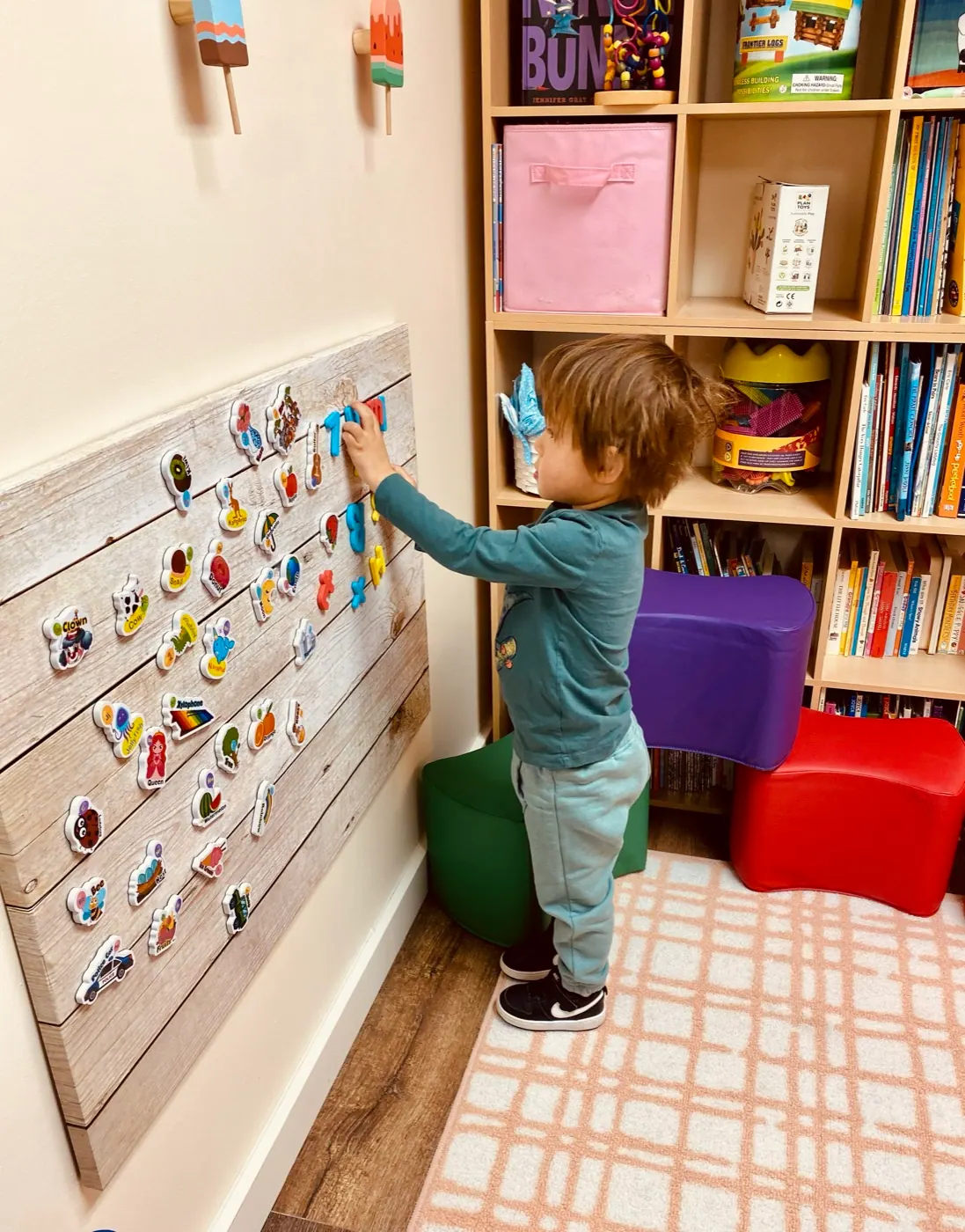
Support that shifts as your child grows
-
Younger learners
Treatment is often highly naturalistic, developmental, and play-based. Clinicians embed learning into activities your child already enjoys while targeting communication, social engagement, joint attention, imitation, play, cognition, flexibility, learning readiness, and independence.
-
Older learners
Treatment may focus more on social skills, executive functioning, emotional regulation, flexibility, problem solving, life skills, and greater independence at home, school, work, and in the community.


The methods we draw from
Every program is individualized. These are the evidence-based approaches our team may use, chosen for the child in front of us.
Teaching methods
-
Early Start Denver Model (ESDM)
A play-based approach for young children that weaves learning into everyday play and routines with a trusted adult. Your child builds communication, social engagement, and imitation through shared, joyful activities.
-
Natural Environment Teaching (NET) and other naturalistic developmental approaches
Teaching happens in real-life moments, like at the snack table, during play, or on a walk, so skills are learned where they'll actually be used. We follow your child's interests to create natural chances to practice.
-
Developmental and play-based ABA
We meet your child at their developmental stage and use the toys, games, and activities they love as the setting for learning. Play becomes the way new skills grow, so sessions feel natural and motivating for them.
-
Verbal Behavior (VB) and Functional Communication Training (FCT)
VB focuses on why we communicate: asking, labeling, responding. FCT teaches a clear, effective way to express a need, such as words, signs, pictures, or a device, so your child doesn't have to rely on frustration to be understood.
-
Pivotal Response Treatment (PRT) strategies
PRT targets "pivotal" areas like motivation and responding to more than one cue, which can help progress spread across many skills. Sessions are child-led and play-based, with choices and natural rewards.
-
Discrete Trial Teaching (DTT)
A structured way of teaching that breaks a skill into small, clear steps, each practiced with prompting and positive reinforcement. It's useful when a new skill needs focused, repeated practice before moving into everyday settings.
-
Positive, function-based behavior support
We first work to understand why a challenging behavior is happening. Then we teach your child a better way to meet that same need, focusing on prevention and positive support rather than punishment.







What we build together
-
Joint attention, social communication, imitation, and play skill development
Building the foundations of connection: sharing attention with others, copying actions and sounds, taking turns, and playing together. These early skills make later learning, conversation, and friendships easier to grow.
-
Social skills, self-management, and independence training
For older learners, we practice conversation, flexibility, and coping, alongside skills like managing routines and monitoring their own behavior, so your child can do more independently at home, school, and in the community.
-
Activities of Daily Living (ADLs) and life skills
Practical everyday skills like dressing, toileting, mealtimes, hygiene, and household routines, taught step by step and practiced carefully in the settings where your child actually uses them day to day.
-
Caregiver training and parent coaching
You're part of the plan. We coach you on the same strategies we use in sessions, so skills carry over into home, community, and daily life, and you feel confident supporting progress between appointments.


How we decide what to use
Treatment planning is informed by what we see, what you share, and what the data shows over time.
Observe
Direct observation of how your child learns, plays, communicates, and moves through the day.
Listen
Caregiver input about goals, routines, priorities, and what matters most to your family.
Assess
Individualized skill assessment and, when appropriate, a functional assessment.
Review the data
Ongoing data analysis so the plan stays matched to your child's progress.
Could ABA help with what you're seeing?
Explore a few common areas families may seek support with.
Communication
Expressing wants, needs, and feelings.
- Gets frustrated when they aren't understood
- Has difficulty asking for help
- Finds it hard to express wants or needs
Social Connection
Playing, connecting, and interacting with others.
- Prefers to play alone
- Has trouble taking turns or sharing
- Struggles to read social cues
Learning
Building new skills in ways that work for your child.
- Needs extra repetition to learn
- Gets frustrated when learning is hard
- Needs a different teaching approach
Everyday Independence
Routines, self-care, and practical daily skills.
- Struggles with daily routines
- Needs support with self-care tasks
- Has difficulty following instructions
Big Feelings & Transitions
Navigating change, frustration, and difficult moments.
- Has frequent meltdowns or big reactions
- Struggles with transitions
- Finds it hard to calm down once upset
Support that can meet your child where life happens.
Every child and family is different. ABA support may happen at our center, at home, at school, or in everyday community settings.
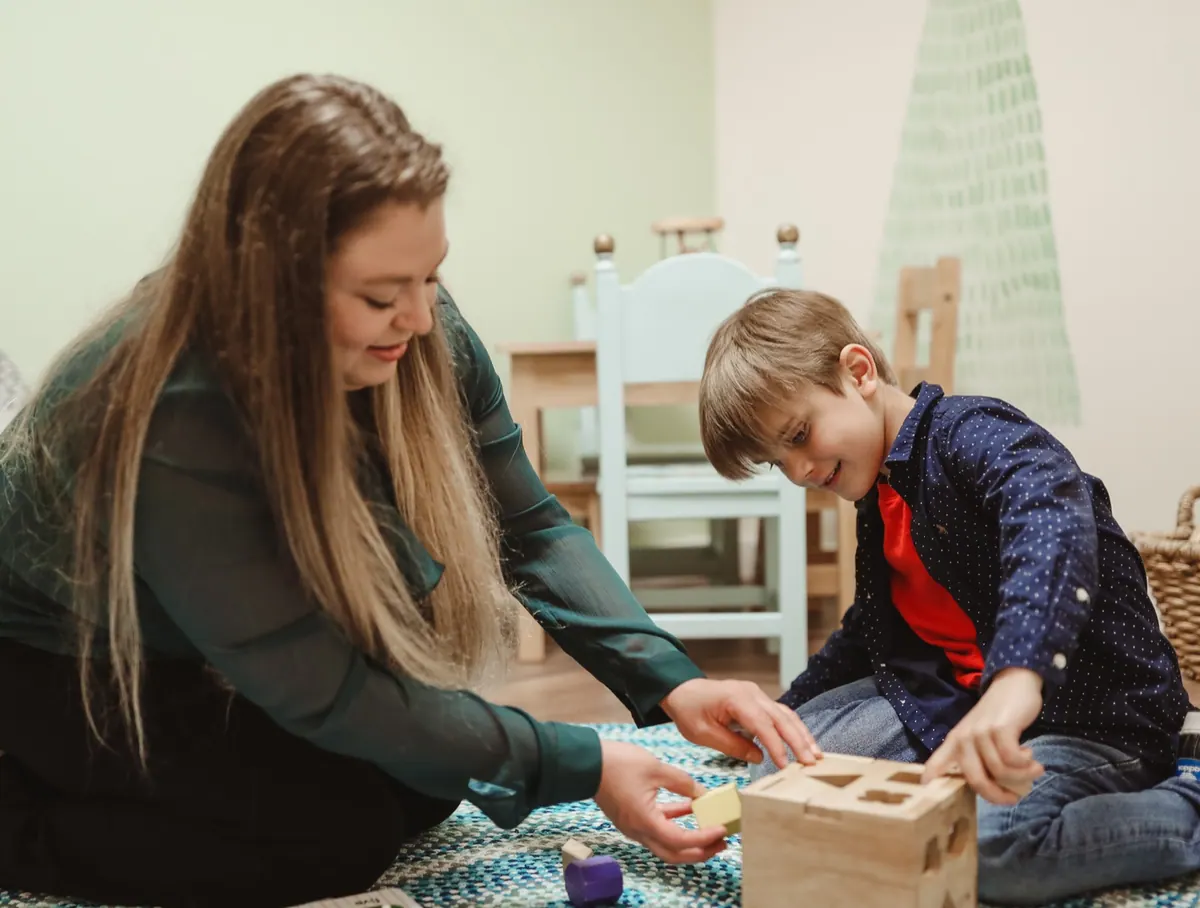
1:1 ABA at Our Center
Individualized one-on-one therapy in a fun, engaging learning environment.
Learn More →Community Support
Practicing skills in the places and situations where they are actually used.
Learn More →Not sure which setting makes sense? You don't have to decide that alone.
Talk to Our Team →What could an individualized ABA program look like?
Goals, teaching strategies, and day-to-day activities are shaped around each child's strengths, needs, communication style, and family priorities.
Emma, Owen, Zoe, and Caleb are fictional, created only to illustrate how individualized goals can differ from child to child. They do not represent real clients or protected health information.
Illustrative profiles created to show how individualized goals can differ from child to child.
Meet Emma, age 4
Emma's example program focuses on communicating during everyday moments, following home routines, and joining her siblings' play.
What she's working on
What therapy might include
Emma's support team

Meet Owen, age 6
Owen's example program focuses on smoother transitions, growing independence, and communicating when something feels hard, all within his family's daily routine.
What he's working on
What therapy might include
Owen's support team

Meet Zoe, age 8
Zoe's example program focuses on connecting with her siblings, building conversation skills, and following home routines with more independence.
What she's working on
What therapy might include
Zoe's support team

Meet Caleb, age 10
Caleb's example program focuses on building independence in his daily routines and communicating clearly as he takes on more himself.
What he's working on
What therapy might include
Caleb's support team

Your child's program wouldn't look exactly like any of these. That's the point.
Tell Us About Your Child →The right strategy for your child, at the right time.
Our goal is simple: use the right evidence-based strategy for the right child, at the right time. Individualized ABA. Not one size fits all treatment.