Support built into your family's real routines.
ABA therapy delivered in the comfort of your own home, coached alongside your family, so skills transfer directly into daily life.

Could In-Home ABA Be a Good Fit for Your Child?
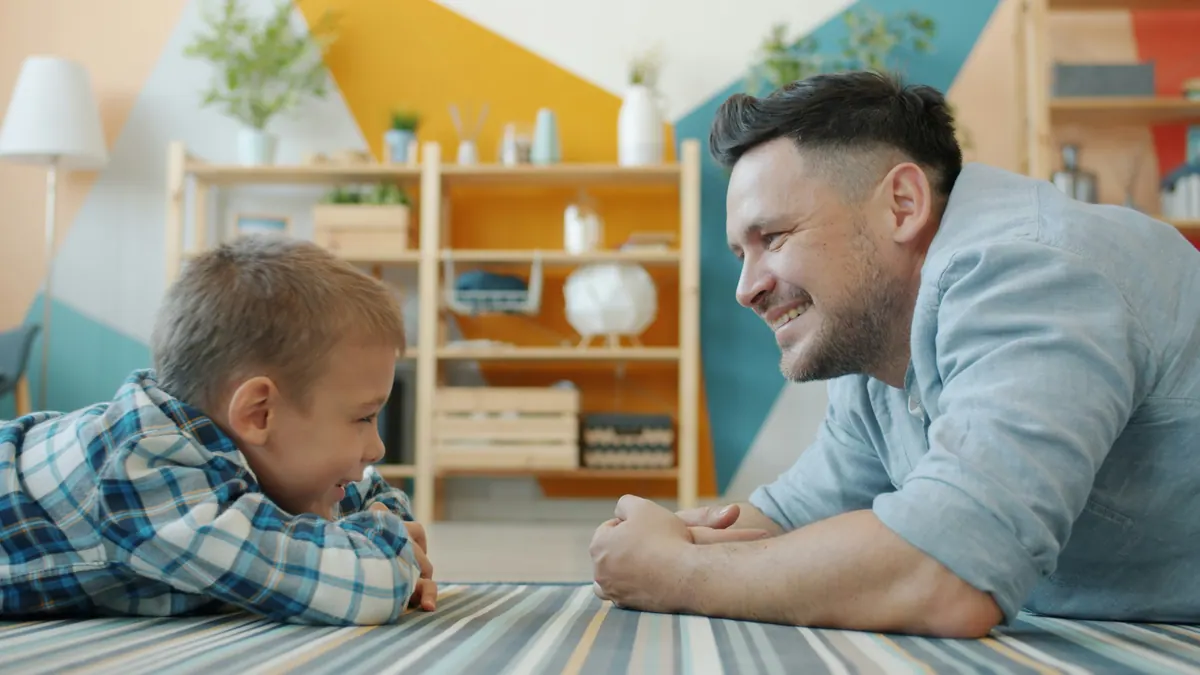
Some children may benefit from familiar surroundings, skills that transfer directly into daily life, whole-family coaching, and the flexibility of not traveling to a center.
Familiar, Comfortable Surroundings
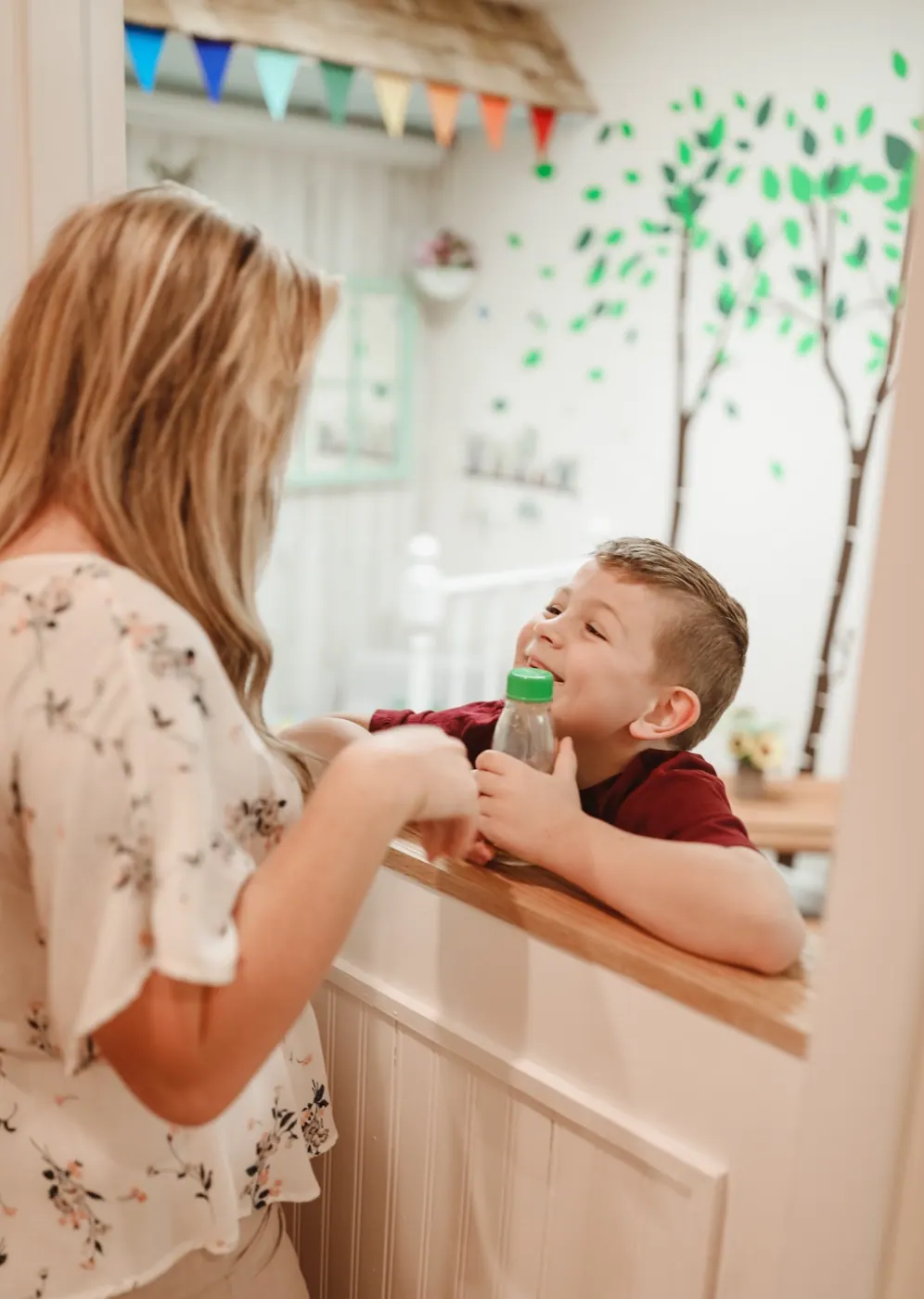
Some children show their real skills, and make faster progress, in the environment they already know best.
Skills That Transfer Directly
Practicing mealtime, bedtime, and everyday transitions exactly where they happen means what your child learns sticks in real life, not just in a session room.
Whole-Family Coaching
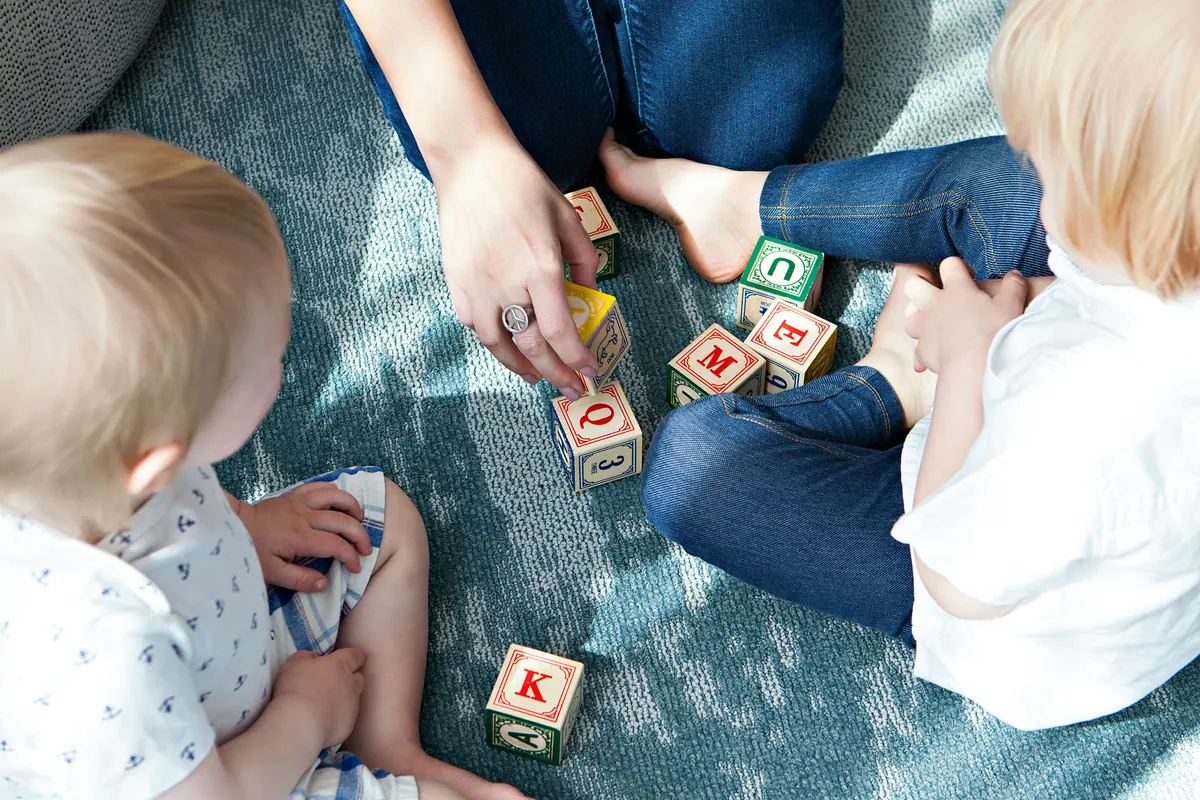
In-home sessions naturally include parents and siblings, so everyone learns how to support progress together.
Fits Your Family's Schedule
In-home therapy meets your family's schedule and logistics where they already are, without regular travel to a center.
More than a home visit. A program built around your family's routines.
Individualized ABA at Traina can combine focused one-to-one teaching with parent coaching, sibling involvement, and practice built into your family's real routines. All of it is guided by your child's individual goals.
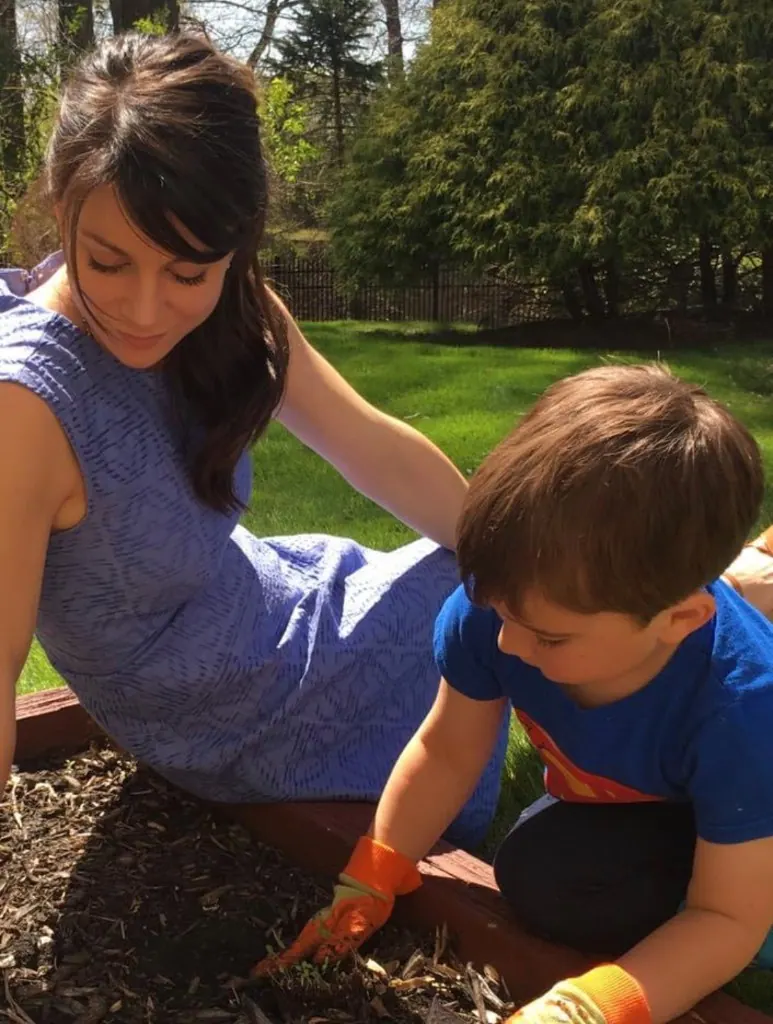
At a glance
What can be part of the in-home experience?
Parent Coaching
Coached alongside your child in every session.
Sibling Involvement
Siblings and family naturally included in sessions.
Real Daily Routines
Skills practiced during mealtime, bedtime, and everyday transitions.
Immediate Skill Transfer
No separate setting to generalize from, it's already home.
What could an individualized ABA program look like?
Goals, teaching strategies, and day-to-day activities are shaped around each child's strengths, needs, communication style, and family priorities.
Emma, Owen, Zoe, and Caleb are fictional, created only to illustrate how individualized goals can differ from child to child. They do not represent real clients or protected health information.
Illustrative profiles created to show how individualized goals can differ from child to child.
Meet Emma, age 4
Emma's example program focuses on communicating during everyday moments, following home routines, and joining her siblings' play.
What she's working on
What therapy might include
Emma's support team
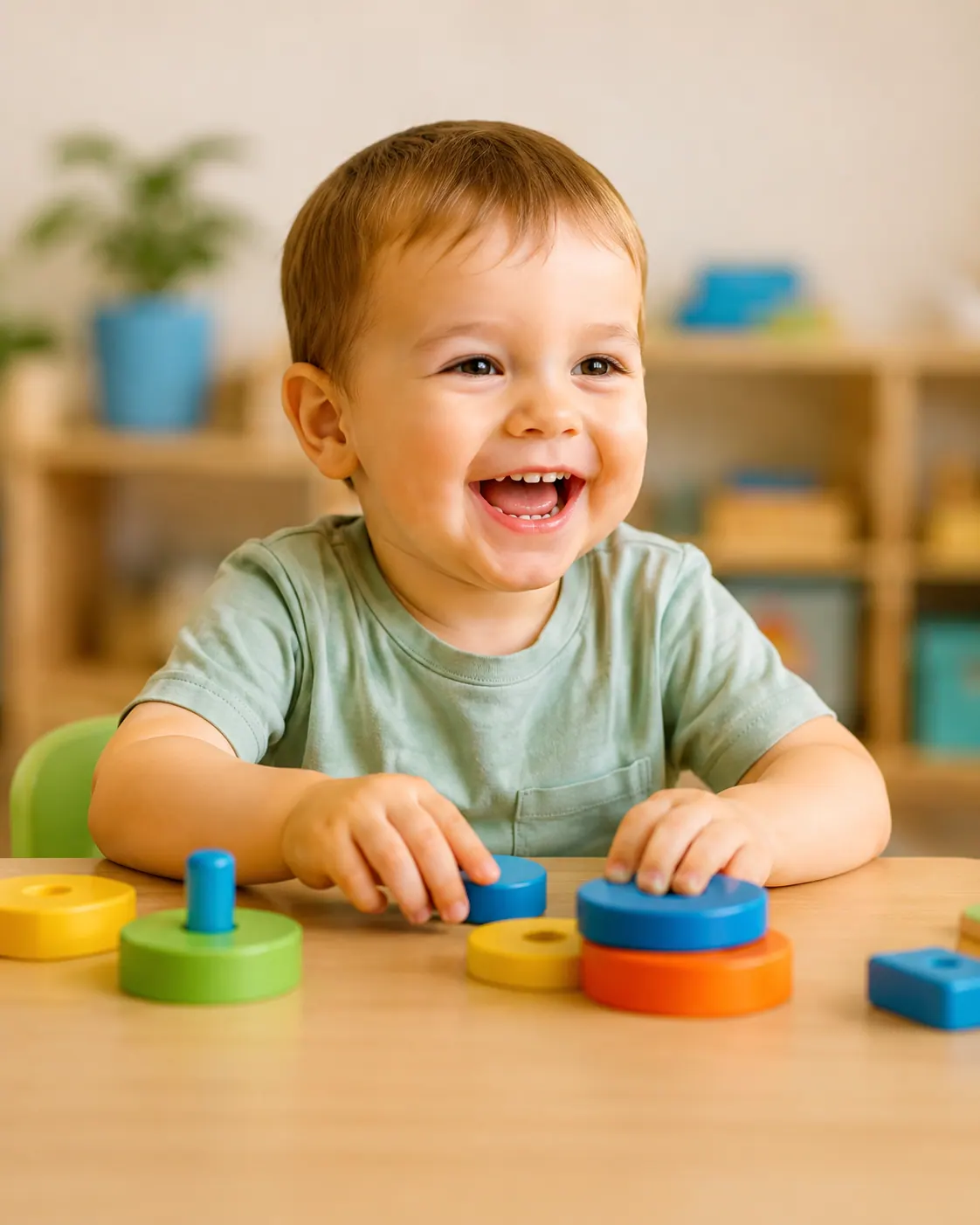
Meet Owen, age 6
Owen's example program focuses on smoother transitions, growing independence, and communicating when something feels hard, all within his family's daily routine.
What he's working on
What therapy might include
Owen's support team

Meet Zoe, age 8
Zoe's example program focuses on connecting with her siblings, building conversation skills, and following home routines with more independence.
What she's working on
What therapy might include
Zoe's support team

Meet Caleb, age 10
Caleb's example program focuses on building independence in his daily routines and communicating clearly as he takes on more himself.
What he's working on
What therapy might include
Caleb's support team

Your child's program wouldn't look exactly like any of these. That's the point.
Tell Us About Your Child →Not sure whether in-home ABA is the right fit?
Every message is read personally by one of our specialists, not a call center or an automated queue. Tell us a little about your child and your home routine, and they'll follow up directly to help you figure out what's right.
Common questions about in-home ABA
Yes, session times are scheduled around your family's routine, not the other way around.
Yes, a BCBA oversees your child's plan and adjusts it based on progress at home, same as any other setting.
In-home ABA is typically covered the same way as other ABA settings; our team can walk you through your specific plan during intake.