Making friends, joining a conversation, coping when plans change, saying "no" kindly, speaking up for yourself. For a lot of children, these skills don't come from being told what to do. They come from practice.
That's the idea behind the Social Skills Group at Traina Behavioral in Langhorne, PA. It's a 6-week, small-group program that gives learners structured chances to practice real social skills with peers, in a supportive setting. Families from across Bucks County and the surrounding area are welcome, and you don't have to be a current Traina client to join.
Here's what the program covers, how groups are formed, and how you can help at home.
What is Traina's Social Skills Group?
The Social Skills Group is a 6-week, small-group program. Each week has its own theme, and each week builds on the skills from the week before.
It's a good fit for learners who could use some extra practice with:
- communication and conversation
- flexibility
- coping
- boundaries
- self-advocacy
- peer interaction
- handling everyday social situations
Our approach is behaviorally based and clinically guided. It's also meant to be fun, natural and right for each learner's stage of development. You can also learn more about 1:1 ABA at our center and community-based ABA support.
Small groups of 4–5 learners
Groups are kept small on purpose, generally around 4–5 learners. That keeps the group personal, active and meaningful. Every learner gets a turn to take part, and staff can give each learner real attention.
We also don't group learners by age alone. When we put a group together, we look at:
- age and developmental level
- communication style
- strengths and support needs
- social-learning goals
- how well the learners are likely to get along
Learners in the same group may each be working on different personal goals while they take part in the same shared activity.
The six weekly themes
Themes may change from group to group. Here is an example of a 6-week program. Each session has a clear theme, a lesson, activities, games, role-play and practice with peers.
Week 1: Connect & Communicate. Kindness, conversation and active listening.
Week 2: Flex Your Thinking. Flexibility, seeing things from someone else's point of view, and compromise.
Week 3: Roll With It. Handling change, coping, problem-solving and asking for help.
Week 4: My Space, Your Space. Boundaries, safety and respect.
Week 5: Own Your Voice. Self-advocacy, peer pressure and making choices.
Week 6: Let It Go & Grow. Acceptance, regulation and moving forward.
Because each week builds on the last, we encourage learners to come to all six sessions.
What a session looks like
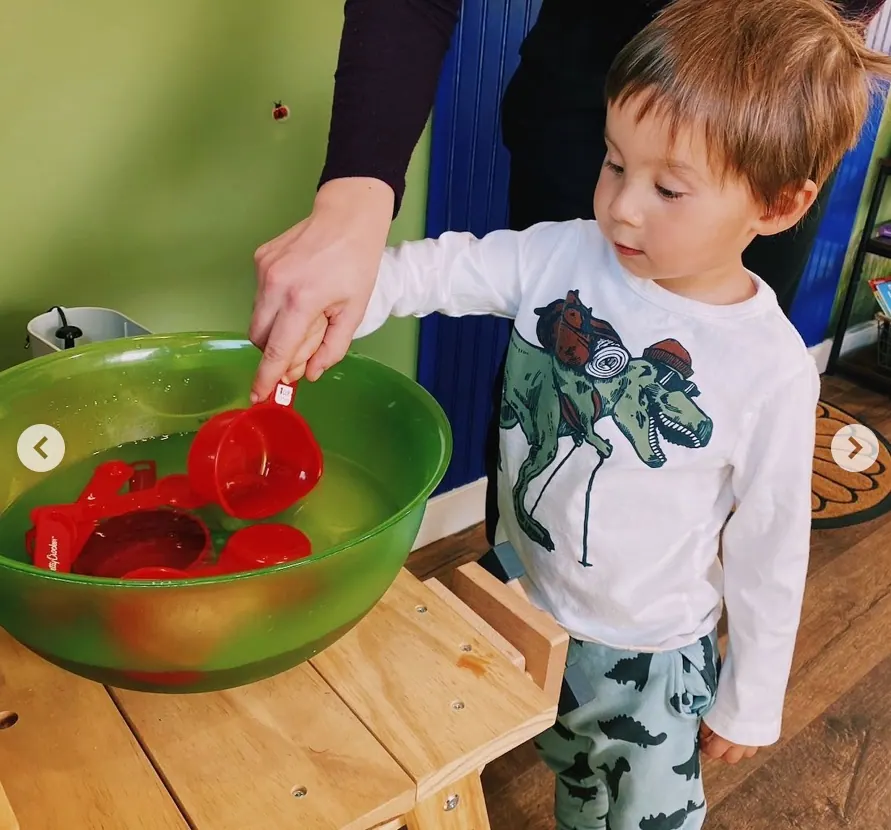
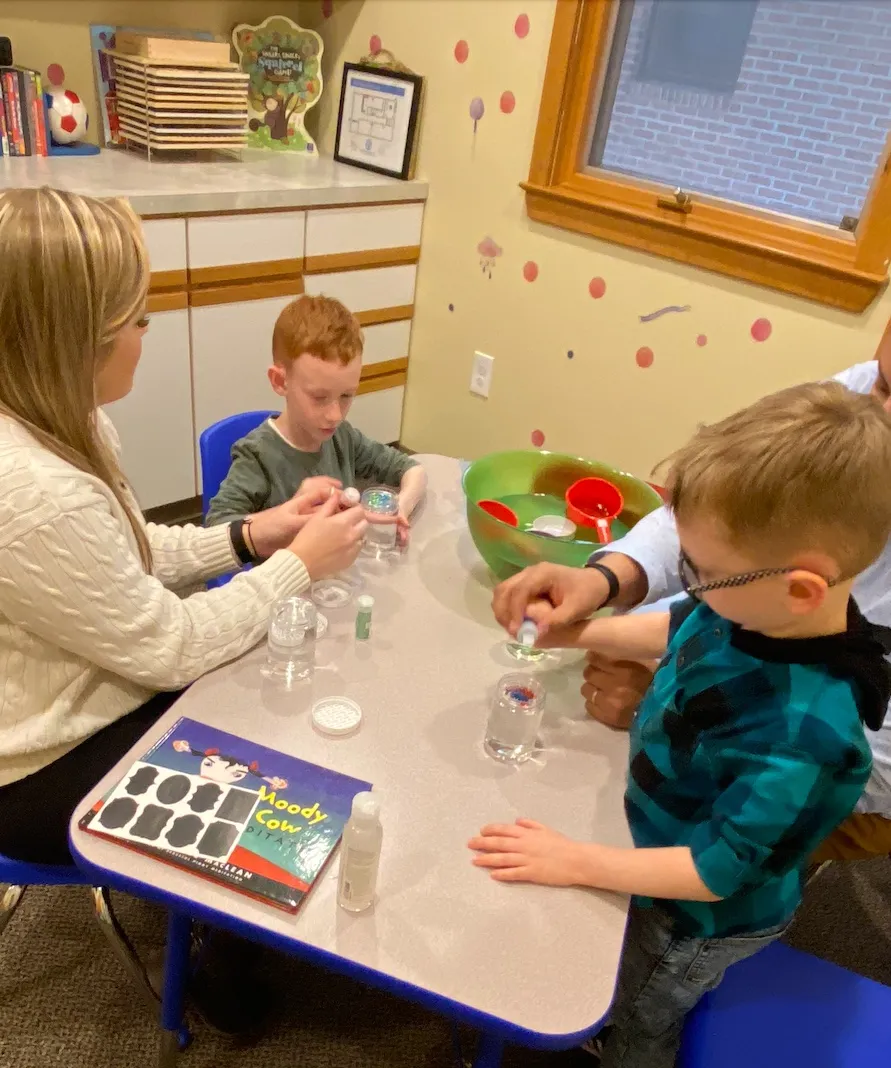
Sessions are active and FUN, not lectures. Depending on the week and the group, learners may take part in:
- games and movement
- art and creative activities
- role-play
- team challenges
- structured time with peers
The goal isn't just to talk about social skills. It's to practice them in the moment, with real peers and supportive staff.
Each Social Skills Group session is designed around specific learning objectives tailored to the individual strengths, emerging skills, developmental levels, interests, and needs of the learners participating. Our team thoughtfully adapts activities and teaching strategies to create meaningful, engaging opportunities for every child to learn, practice, and grow.
Open to community learners, no diagnosis necessarily required
The Social Skills Group is open to community learners as well as current Traina clients. A diagnosis is not necessarily required to take part. If your child could use extra practice with the skills above, the group may be a good fit, and our team can talk it through with you.
For current ABA clients, the group may sometimes be built into your child's existing treatment program, when that's clinically appropriate and authorized.
For dates, times, ages, cost and insurance, please contact our office for more info, as these details change from group to group.
Parent carryover: practicing at home
Skills grow faster when they're practiced in more than one place. That's why parent carryover is part of the program. Our team will supply families with simple ideas and activities to use at home, so the skills from group can carry over into everyday life: at the dinner table, at the park, with siblings and at school.
You don't need special training or materials. Small, everyday practice makes a difference. Learn more about parent and caregiver training at Traina.
Why practice beats a worksheet
Families looking for center-based options can also review our Langhorne center overview.