



Getting Started
Is ABA the right fit for my child?
The signs worth paying attention to, how an assessment works, and what to expect if you're still not sure.
What Is ABA Therapy?
Applied Behavior Analysis, or ABA, is an evidence-based approach that helps children learn meaningful skills through individualized teaching, positive reinforcement, and practice in everyday situations.
Every program looks different because every child does.
ABA looks at how a child learns, what motivates them, and where they may need support. Skills are broken into manageable steps, practiced in meaningful situations, and adjusted as the child learns and grows.
Learn about their strengths, needs, interests, communication, and the skills that would make the biggest difference in everyday life.
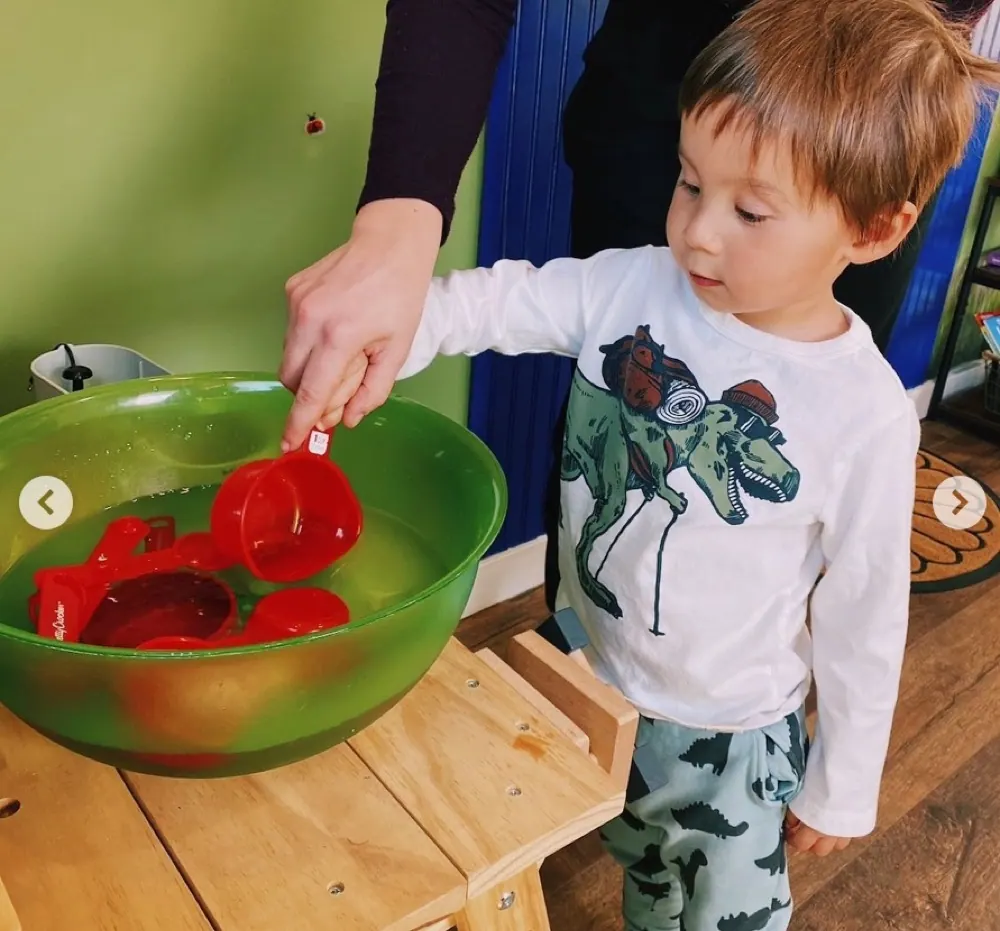
Therapists use individualized teaching strategies, practice and positive reinforcement to help new skills develop.
Children practice using what they learn during play, routines, social situations, home life, school and the community.
ABA can focus on many different skills depending on what matters to the child and their family.

Helping children express wants, needs and ideas in ways that work for them.
Building skills around routines, self-care and participating more independently in daily life.
Practicing skills such as playing with others, taking turns, joining activities and communicating in social situations.
Helping children explore, learn new skills and take part in everyday activities with greater confidence.
Get our free parent guide for a clearer look at ABA therapy, what support can involve, and questions you may want to ask as you explore your options.
Download Our Free Guide Free parent resource
The signs worth paying attention to, how an assessment works, and what to expect if you're still not sure.

No jargon, no textbook definition, just a clear look at how ABA works and what it's designed to help your child do.

From the first hello to the last high-five: what a typical session looks like, who's in the room, and how we keep it feeling like play.

What data we track, how often you'll hear from your BCBA, and what real progress looks like month to month.

How authorization actually works, what determines your out-of-pocket cost, and the questions worth asking your insurer first.
Simple ways to talk about therapy with your child, what to bring to the first visit, and how to ease the transition at home.