What ABA Can Help With
Skills That Help Your Child
Thrive Every Day.
ABA can support the skills that help your child communicate, connect, learn, and navigate everyday life. Explore the areas below to see what may feel familiar for your family.

Support for today
and what's next.
What Support Can Look Like
What could support look like
in everyday life?
ABA helps build meaningful skills that fit into your child's real world, at home, at school, and in the community. Here are some everyday moments where support can make a difference.
-
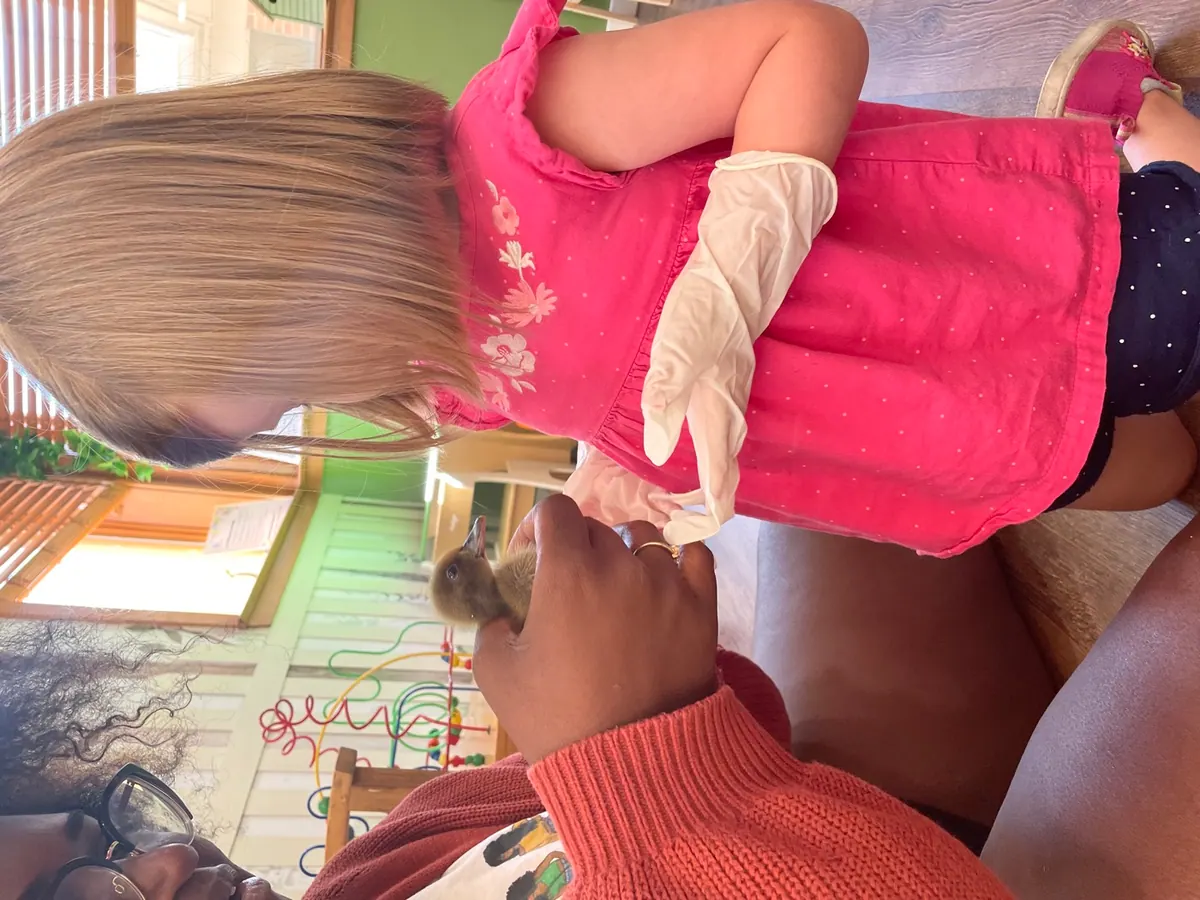
Getting Dressed
Practicing routines and building independence.
-
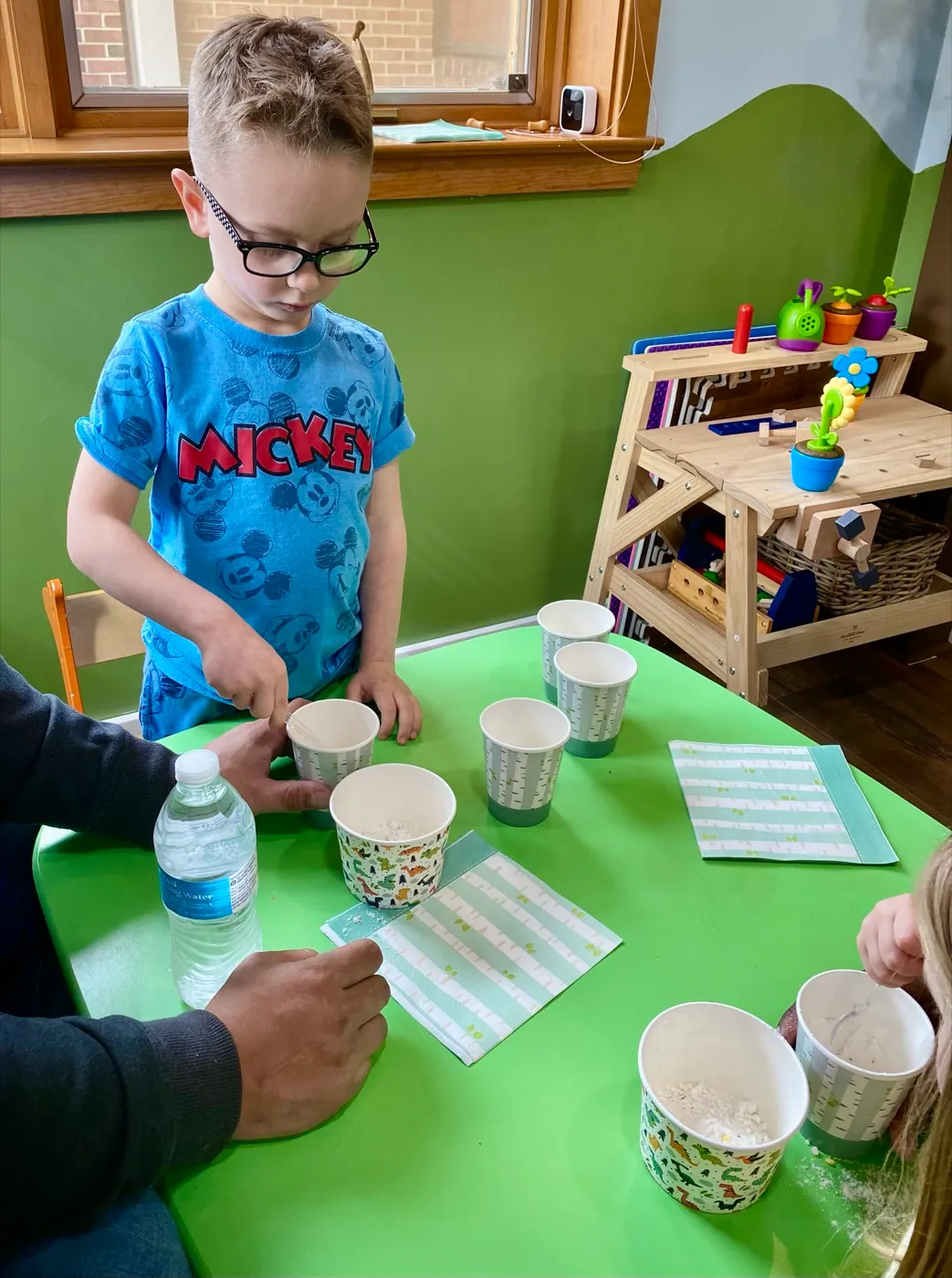
Mealtimes
Communicating choices, trying new foods, and following routines.
-
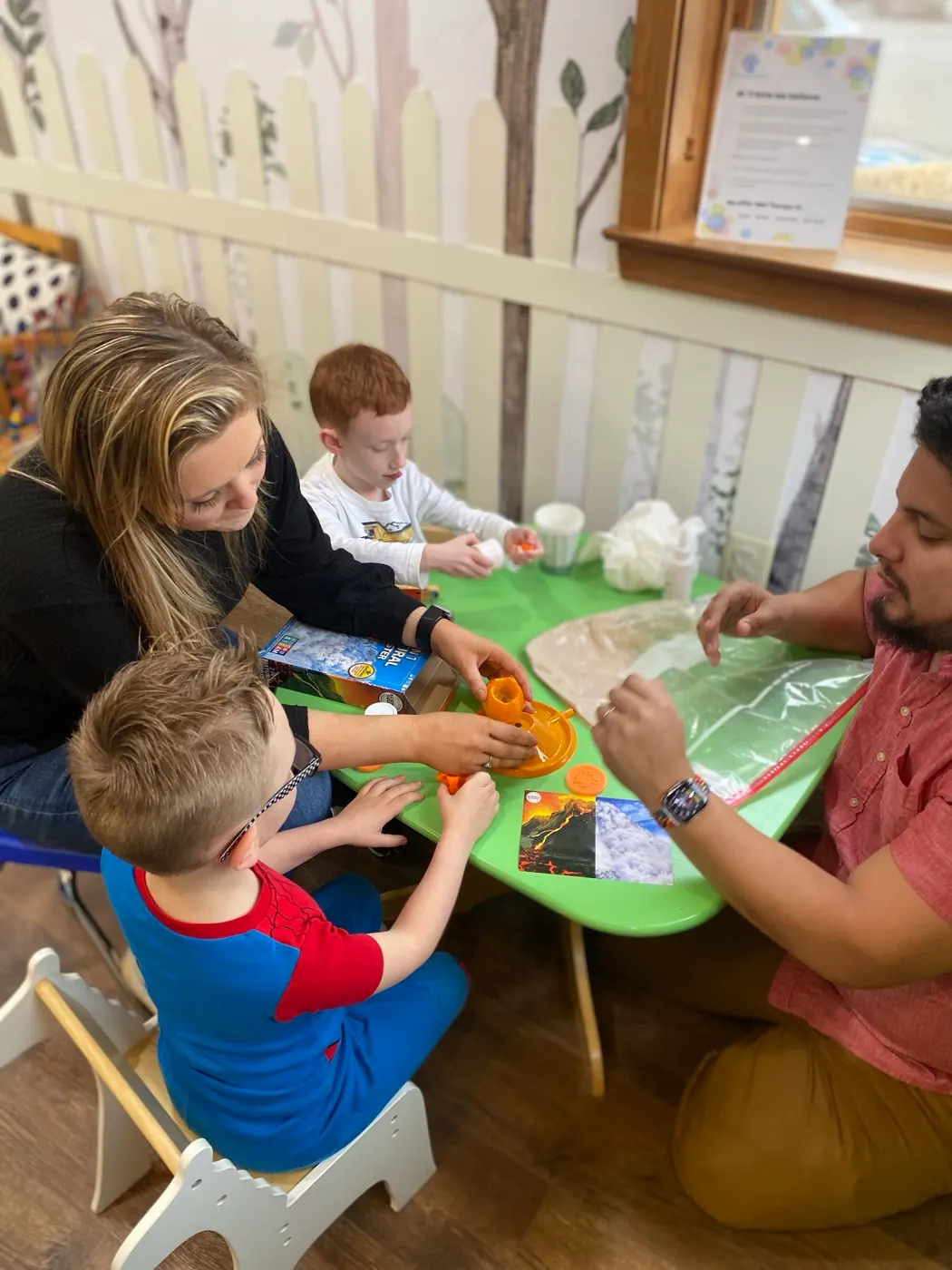
Playtime
Taking turns, joining in, and building social skills.
-
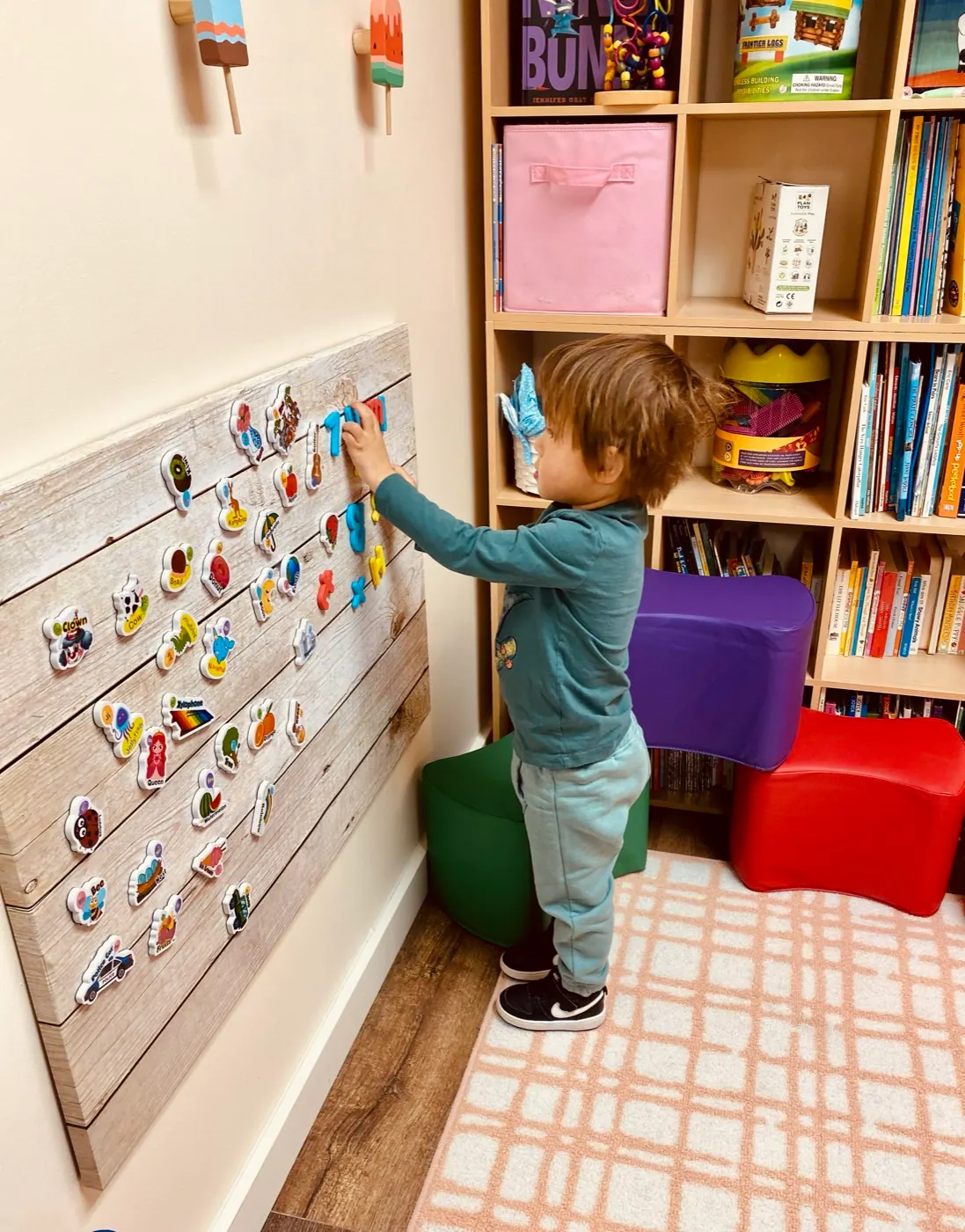
Learning
Following directions, participating, and building new skills step by step.
-

Transitions
Preparing for changes and moving between activities more smoothly.
-
Bedtime
Developing calming routines for a more peaceful end to the day.
What progress can look like
Not overnight changes, just practical, meaningful progress that can show up in everyday life.
Communication
What you may noticeYour child gets frustrated when they can't communicate what they want.
What support may focus onBuilding a reliable way to ask, choose, or request help.
What progress could look likeThey begin asking for help more often during daily routines.
Daily Living
What you may noticeGetting dressed or washing hands takes a lot of prompting.
What support may focus onBreaking routines into smaller, teachable steps.
What progress could look likeThey complete more parts of the routine independently.
Transitions
What you may noticeMoving from one activity to another feels difficult.
What support may focus onUsing visual supports, preparation, and predictable routines.
What progress could look likeTransitions become smoother with support strategies.
Progress is individualized and built around your child's goals.
Support that can meet your child where life happens.
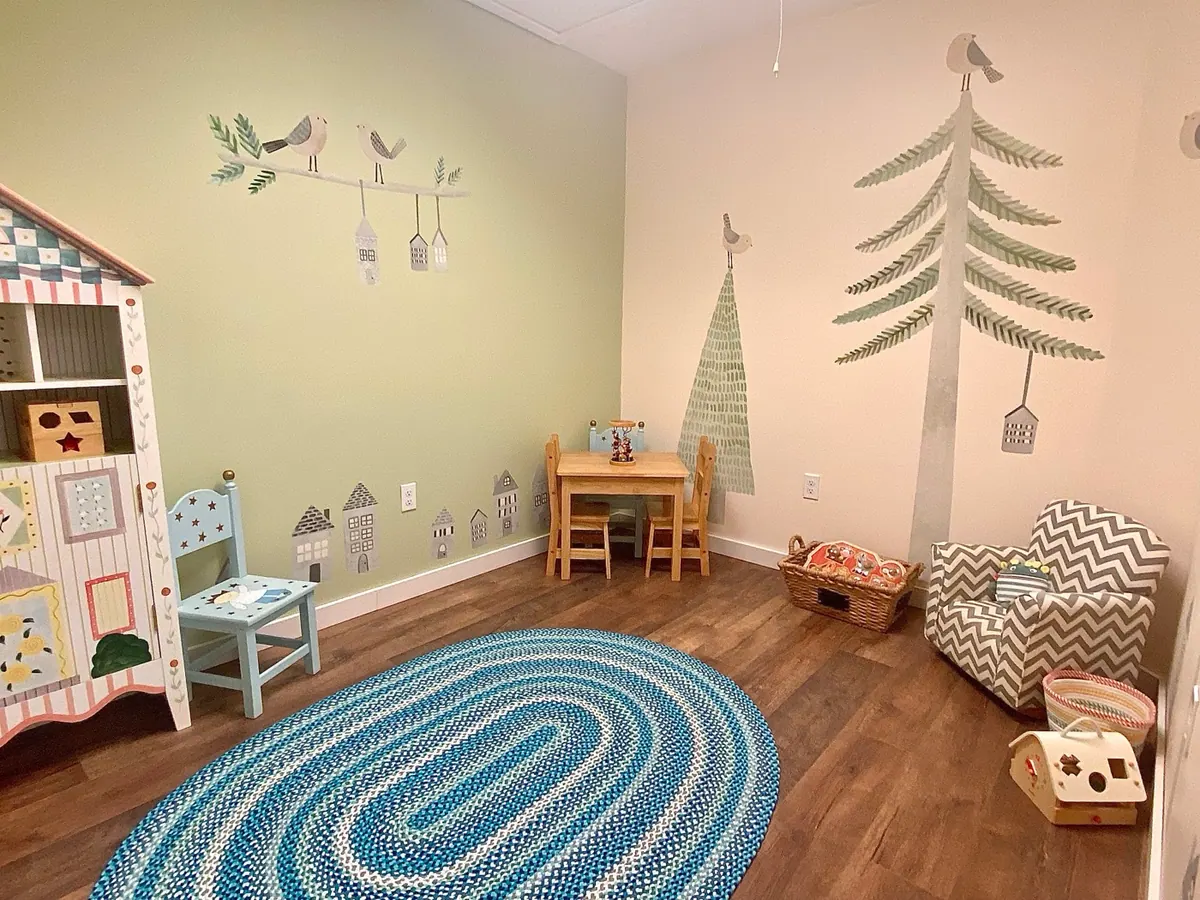
Every child and family is different. Depending on your child's goals, ABA support may happen at our center, at home, at school, or in everyday community settings.
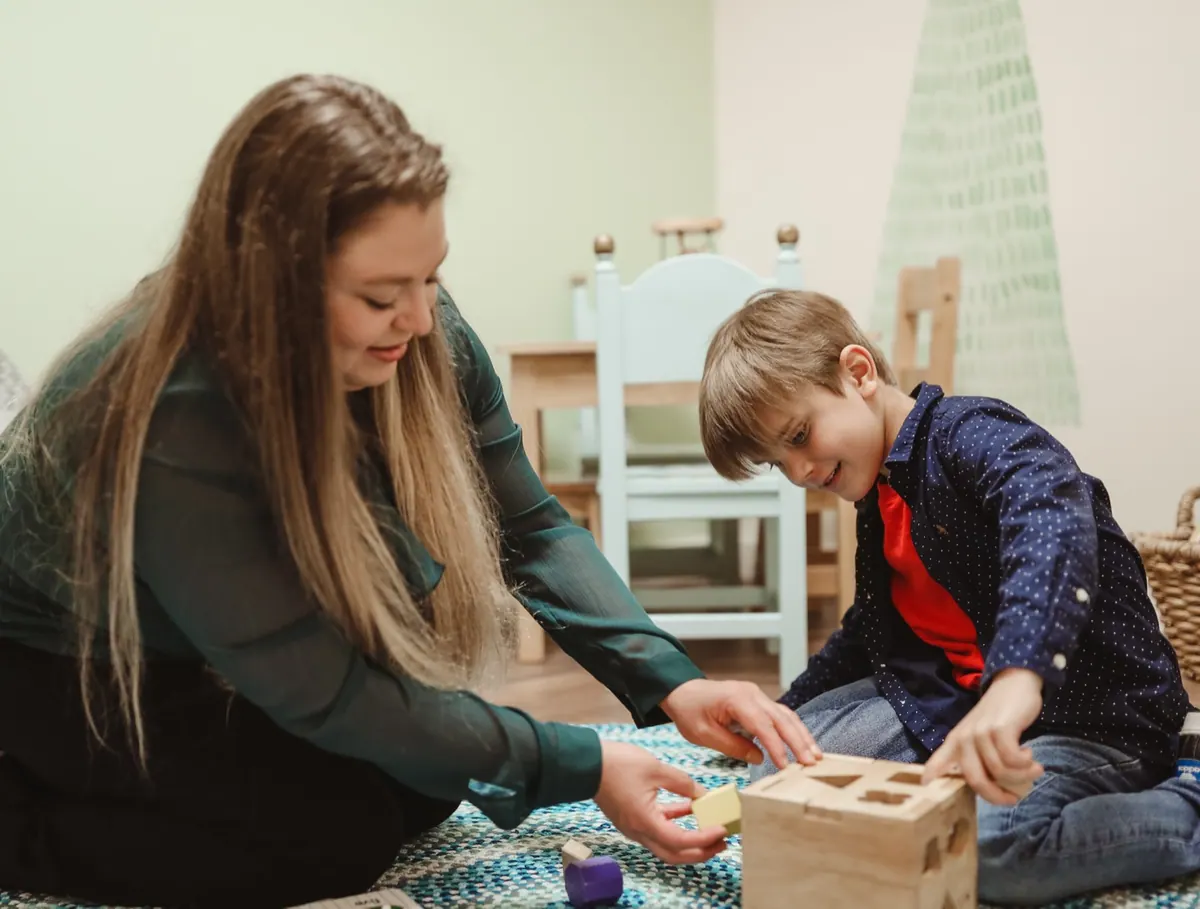
Not sure which setting makes sense? You don't have to decide that alone.
Talk to Our Team →Let's Talk About What You're Seeing
Every message is read personally by one of our specialists, not a call center or an automated queue. Tell us a little about what's going on, and they'll follow up directly to help you understand the next step.
Ready to Take the Next Step?
Take the quiz for a quick gut-check, or talk to our team directly, either way, we'll help you understand whether ABA may be worth exploring.
No pressure. Just a conversation about what your family needs.