If you're reading this at 11 p.m. with a search bar full of half-finished questions, you're not alone, and you're not overreacting.
Most of the parents we meet start exactly here: something feels different about how their child communicates, plays, or handles the small transitions of a normal day, and they're trying to figure out whether that's "just a phase" or something worth a closer look. There is no single sign that determines whether ABA therapy is appropriate. An individualized assessment is needed to determine whether ABA may be helpful, and there are patterns worth paying attention to.
Signs parents notice first
Every child is different, so think of these as starting points for a conversation, not a checklist to score yourself against. Families often come to us after noticing things like:
- A hard time using words or gestures to ask for what they want, even when they're clearly frustrated.
- Big reactions to small changes, like a different route to school or a rearranged living room.
- Repeating the same movement, sound, or phrase.
- Trouble connecting during playtime, even when they seem to want to.




None of these on their own means anything definitive. What matters is how often the pattern occurs, where it occurs, and whether it is affecting communication, learning, safety, independence, or participation in daily life.
A pediatrician, an early intervention team, or a developmental evaluation can help you get a clearer picture before you ever talk to a therapy provider, and that's a completely reasonable first step if you're not sure yet.
What an ABA assessment at Traina actually involves
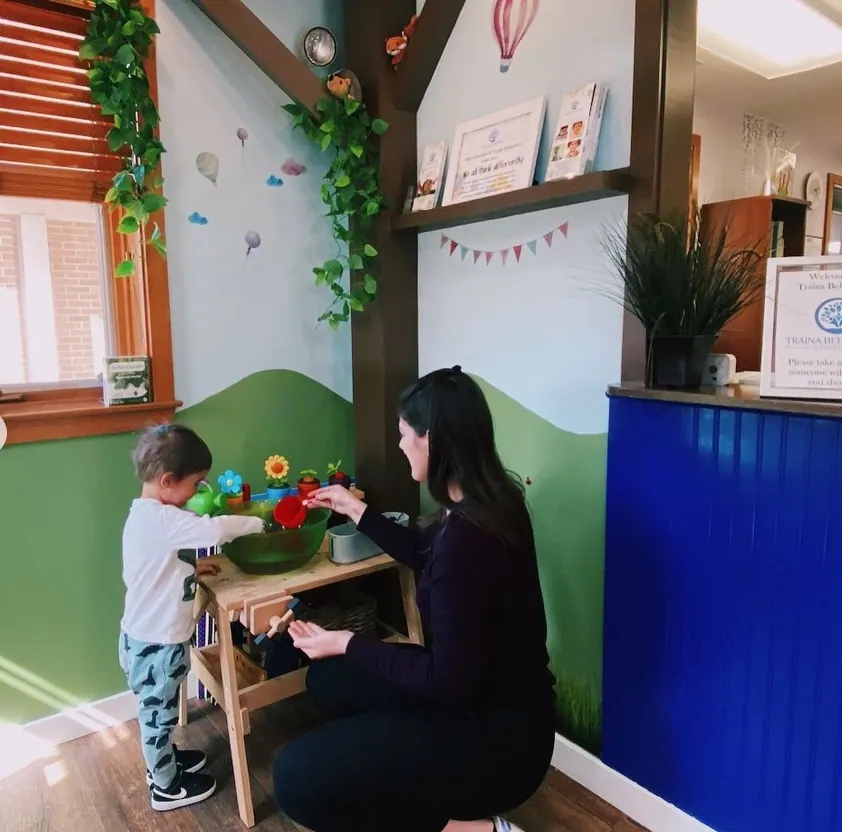
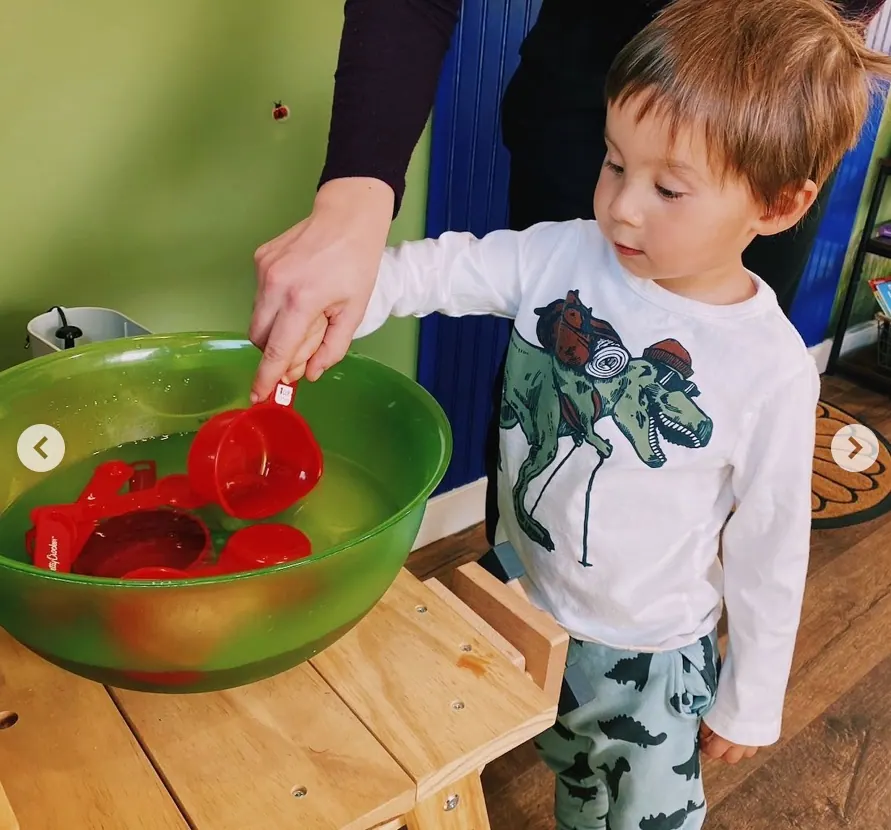
If your child has an autism diagnosis or you would like to explore whether ABA may be appropriate, the next step is an individualized assessment, and it's a lot less clinical than it sounds. A BCBA (Board Certified Behavior Analyst) spends time directly observing your child, usually through a mix of structured activities and simple play, while also talking with you about what a typical day looks like at home, at school, and anywhere else your child spends time.
We're building a picture of their strengths, the specific things that are hard right now, and what "progress" would concretely look like for your family.
From there, a BCBA uses the assessment findings to develop an individualized treatment plan, one that's specific to your child's goals, not a generic program applied the same way to every family that walks through the door. You'll be part of that conversation from the start, and you'll keep hearing directly from your BCBA as the plan evolves.
If you're still not sure
It's okay to not be sure yet. Plenty of families reach out to us before they have a diagnosis, before they've decided on a provider, or even before they're sure therapy is the right next step at all.
That's a perfectly good reason to call. A short, no-pressure conversation with our clinical team can help you sort out what you're actually seeing, what your options are, and whether an assessment makes sense right now or later.
That's really the belief this whole practice is built on: every child needs a voice in order to advocate for their own wants and needs, and figuring out how to help your child find that voice starts with one honest conversation, not a form. Whether that conversation happens with us or with someone else, we'd rather you have it than keep researching alone at midnight.
If you want a clearer starting point, you can also review Is ABA right for my child? or Recently diagnosed? Start here.
Sources
- Centers for Disease Control and Prevention, Data and Statistics on Autism Spectrum Disorder. CDC reported that about 1 in 31 8-year-old children were identified with autism across 16 ADDM Network sites in 2022.