Center-Based ABA Therapy, Built Around Your Child.
Compassionate, individualized ABA therapy in a structured learning environment at our Langhorne center.
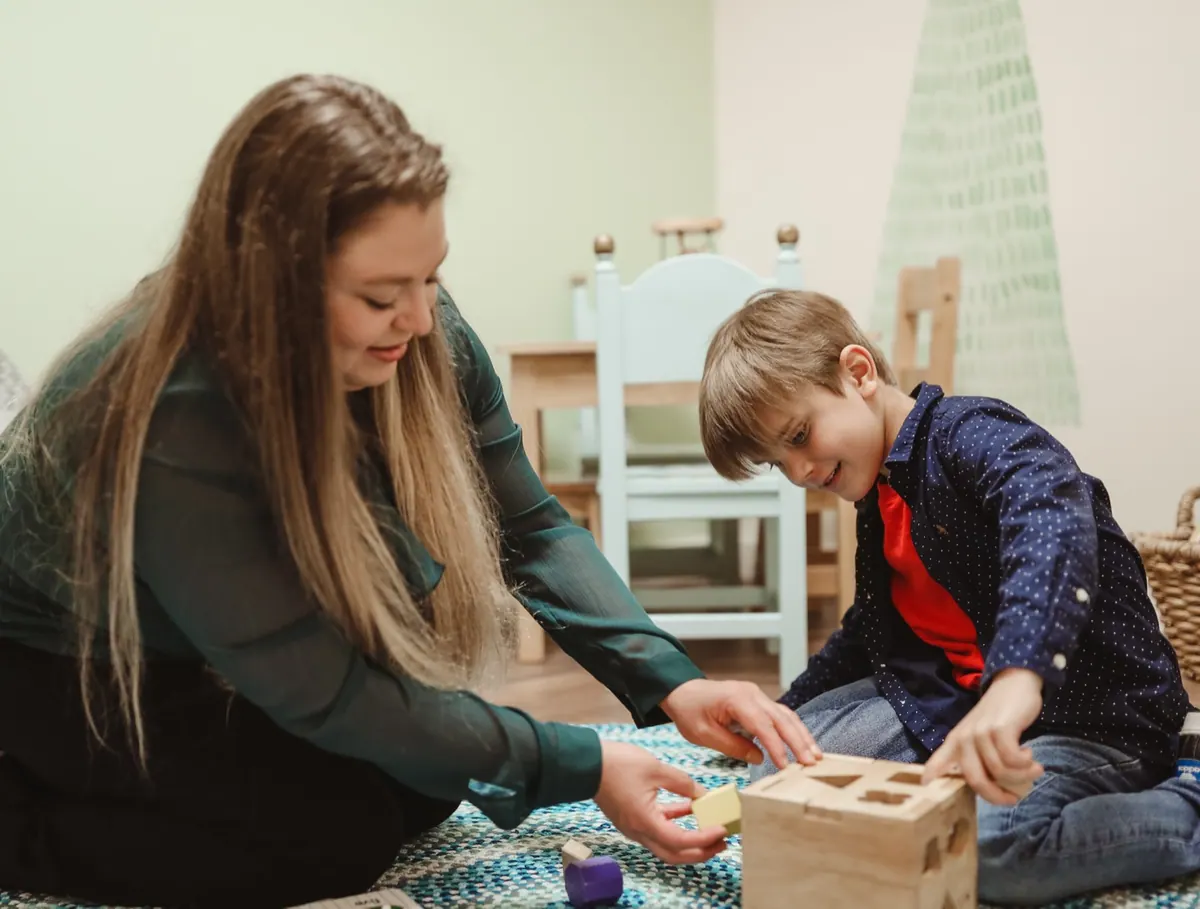
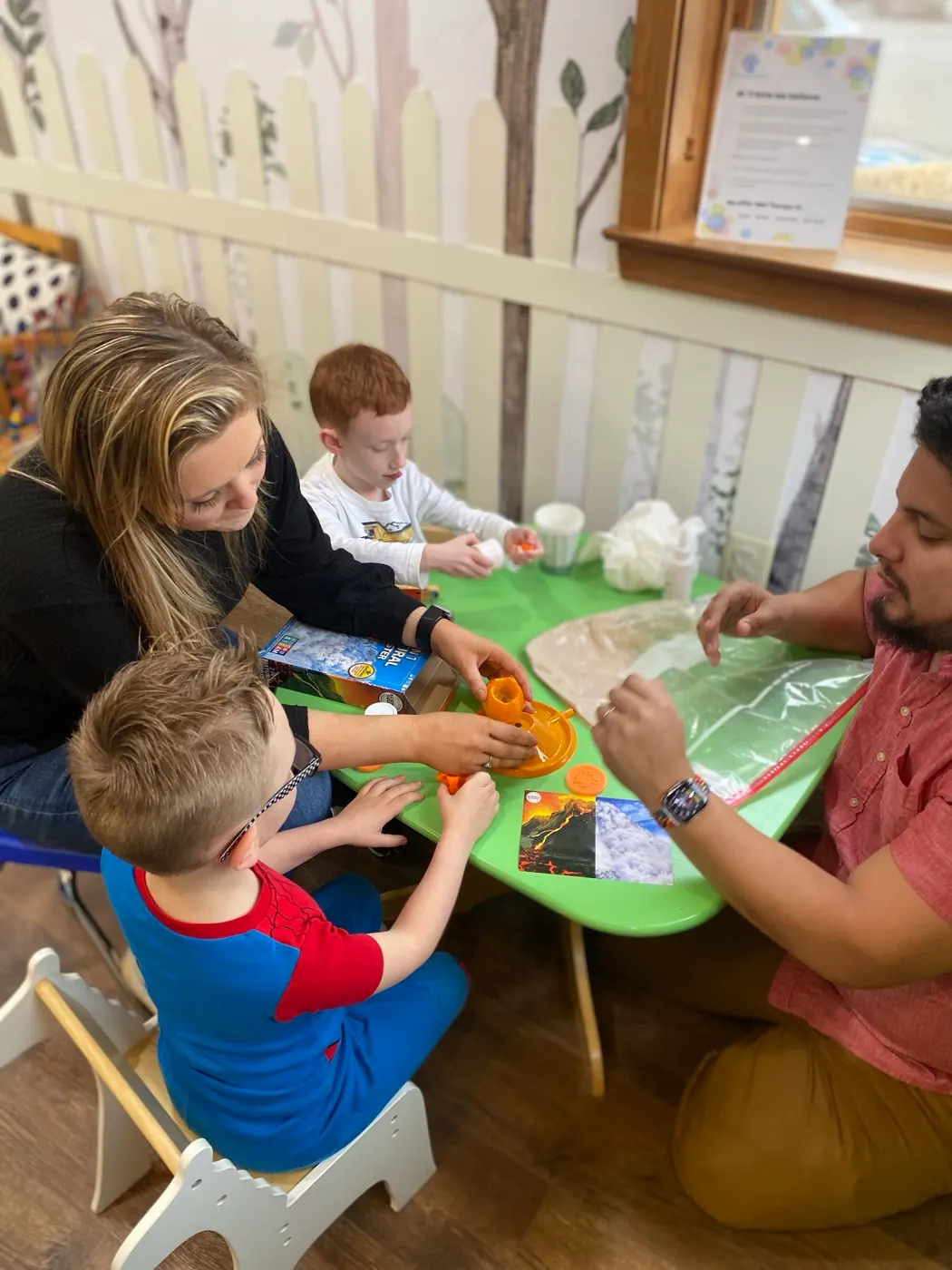
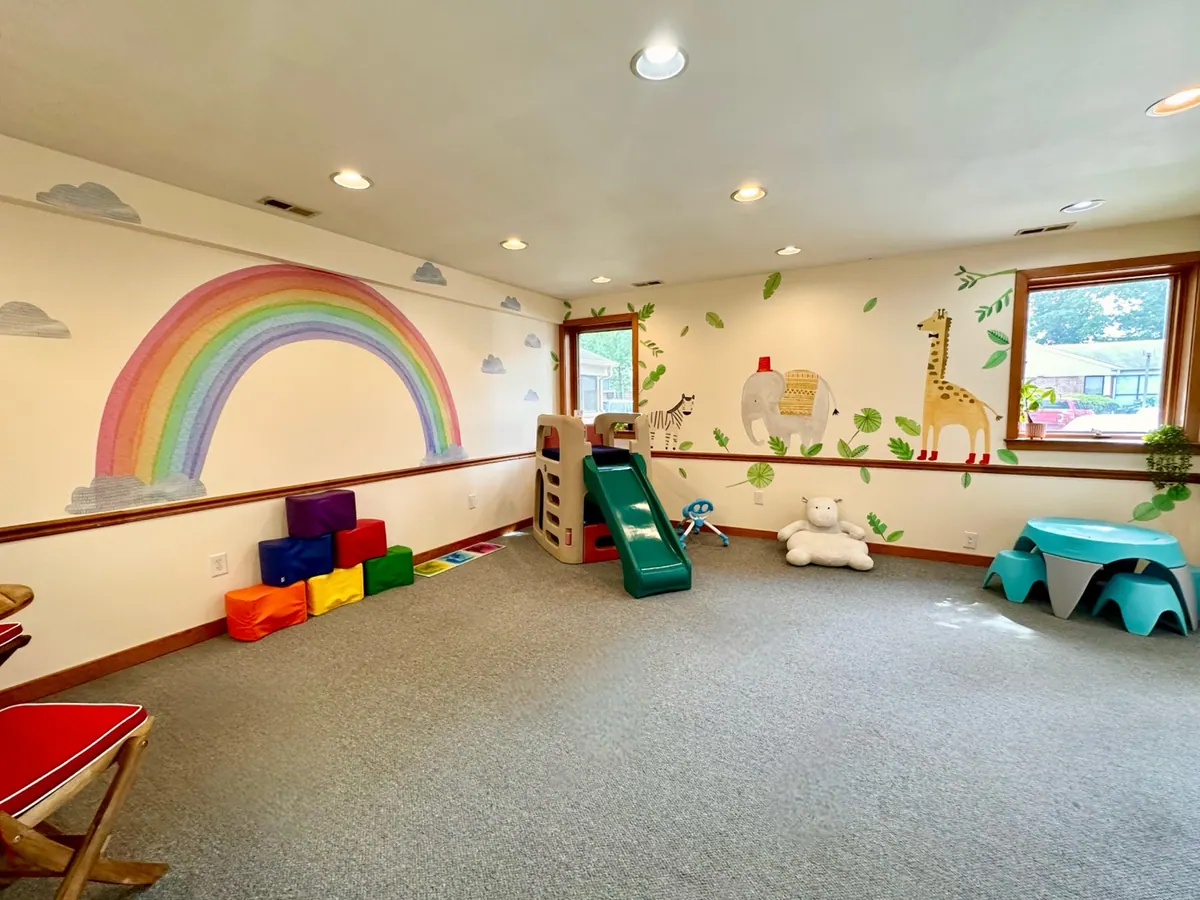
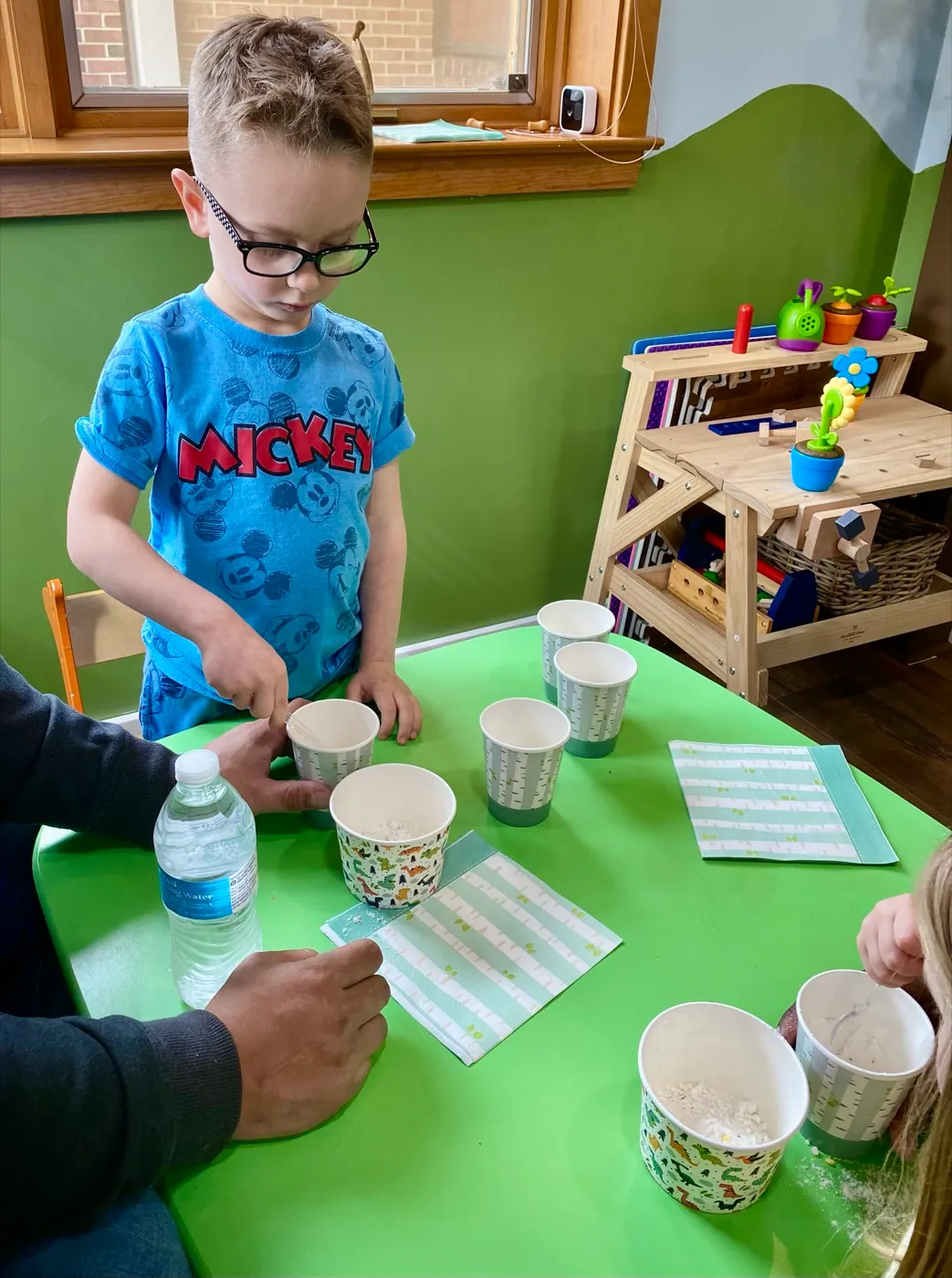
A Space Designed for Learning, Connection, and Confidence.
Center-based ABA therapy gives your child focused, one-on-one support in a structured, welcoming space, and real opportunities to build friendships, practice social skills, and learn alongside other children.
Focused 1:1 Support
Individualized teaching built around your child's strengths and goals.
A Structured Environment
Predictable routines and a dedicated therapy space help reduce distractions and support focus.
Learning Through Real Interaction
Sessions can include play, communication, daily living, and social skill-building.
Building Real-Life Social Connections
Learners play, communicate, and problem-solve together, practicing skills that go beyond one-on-one instruction.
More than 1:1 therapy. A program built around how your child learns.
ABA at Traina's Center combines focused one-to-one teaching with play, social learning, small-group activities, and Natural Environment Teaching, all guided by your child's own goals.
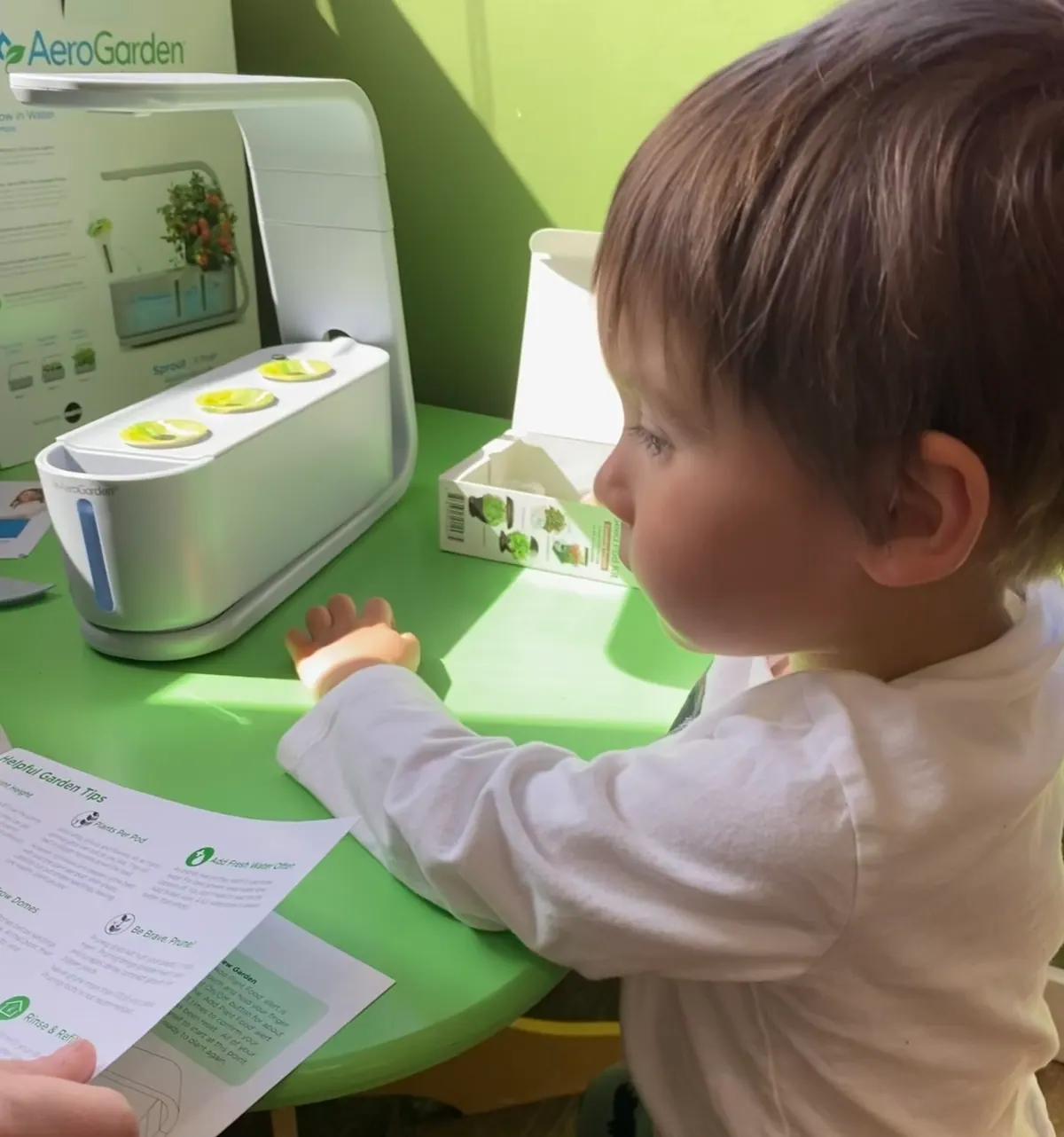
At a glance
What can be part of the Center experience?
1:1 ABA Therapy
Focused individualized teaching around your child's goals.
Social Learning
Supported opportunities to practice interaction and peer skills.
Theme Days & NET
Individual goals woven into hands-on, natural learning activities.
Small-Group Programs
Additional opportunities including social skills, sibling, STEM, and homework-focused programs.
What could an individualized ABA program look like?
Goals, teaching strategies, and day-to-day activities are shaped around each child's strengths, needs, communication style, and family priorities.
Maya, Noah, Ava, and Leo are fictional, created only to illustrate how individualized goals can differ from child to child. They do not represent real clients or protected health information.
Illustrative profiles created to show how individualized goals can differ from child to child.
Meet Maya, age 4
Maya's example program focuses on helping her communicate more easily, take part in everyday routines, and build confidence during play and learning.
What she's working on
What therapy might include
Maya's support team
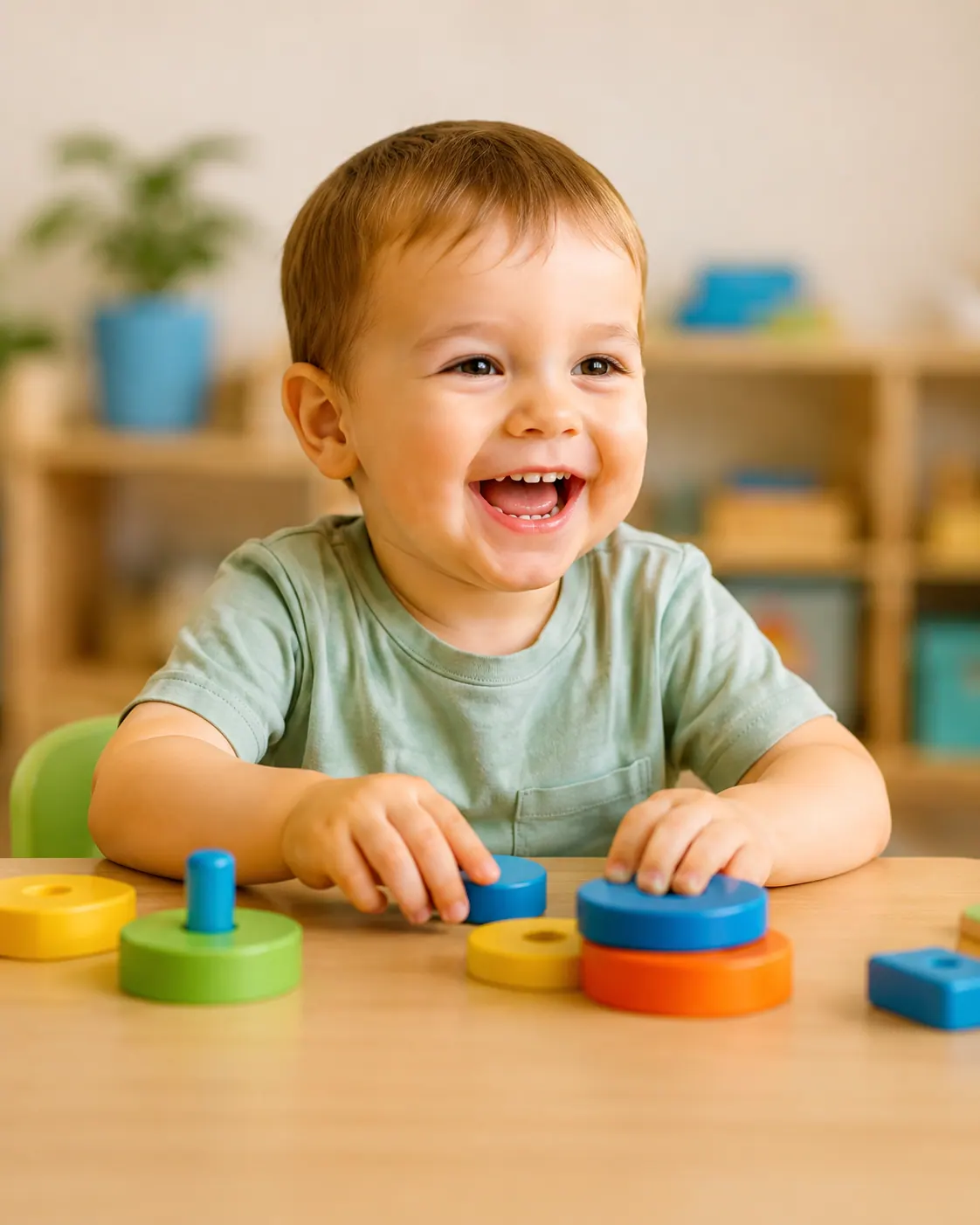
Meet Noah, age 6
Noah's example program focuses on building independence through daily routines, smoother transitions, and clear ways to communicate when something feels hard.
What he's working on
What therapy might include
Noah's support team

Meet Ava, age 8
Ava's example program focuses on building social confidence, from joining group activities to handling the small changes that come up during play.
What she's working on
What therapy might include
Ava's support team
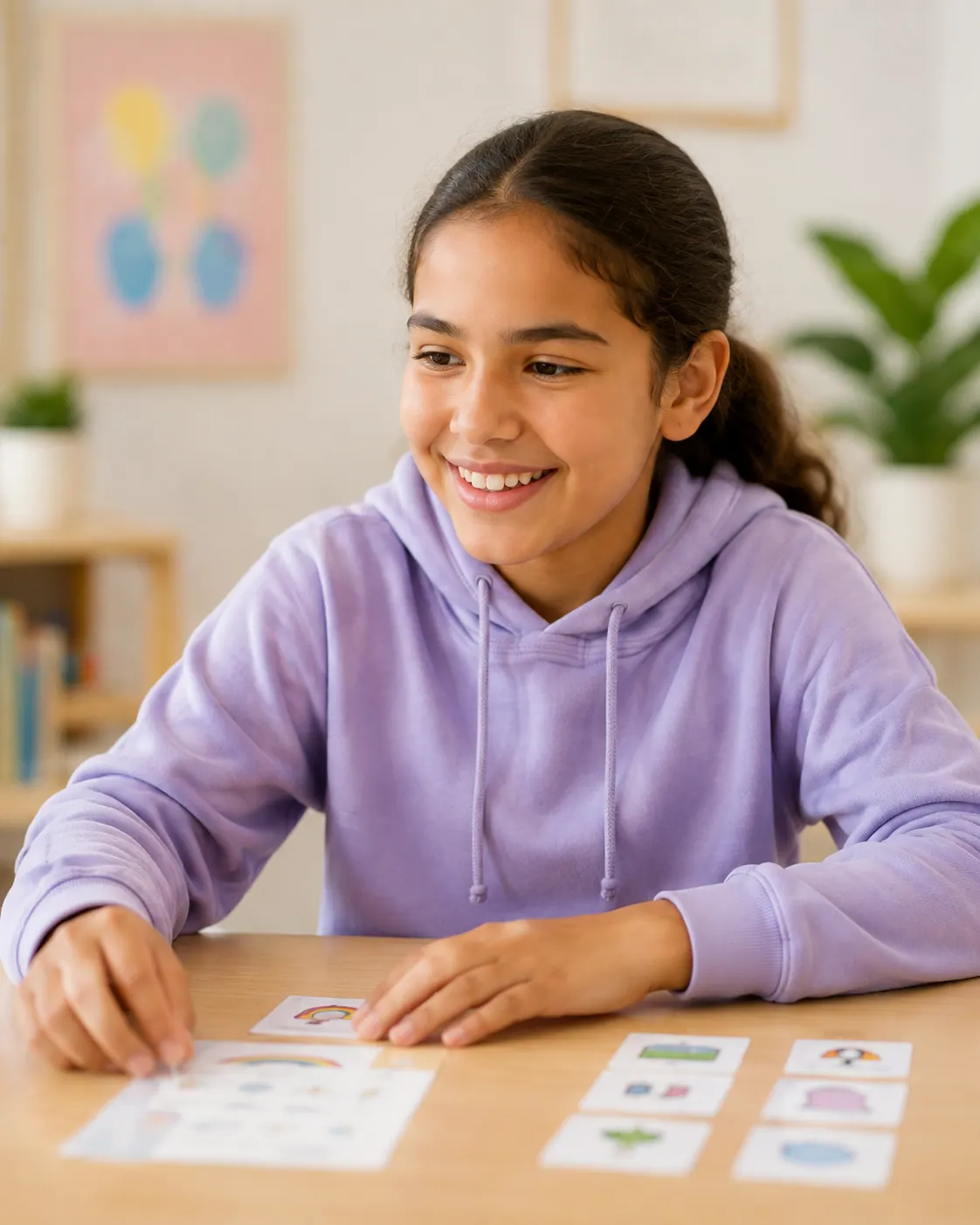
Meet Leo, age 10
Leo's example program focuses on building everyday independence, from completing routines on his own to using new skills in different settings.
What he's working on
What therapy might include
Leo's support team

Your child's program wouldn't look exactly like any of these. That's the point.
Tell Us About Your Child →Not sure whether center-based ABA is the right fit?
Every message is read personally by one of our specialists, not a call center or an automated queue. Tell us a little about your child, and they'll follow up directly to help you figure out what's right.
Common questions about center-based ABA
Center-based therapy happens in our dedicated Langhorne space with a consistent environment and full material library; in-home therapy happens within your family's own routines. Many families use both over time.
Session length and frequency are set individually based on your child's plan, developed with your BCBA during intake.
Yes, many families start at the center to build a foundation, then extend support into home, school, or community settings as goals evolve.